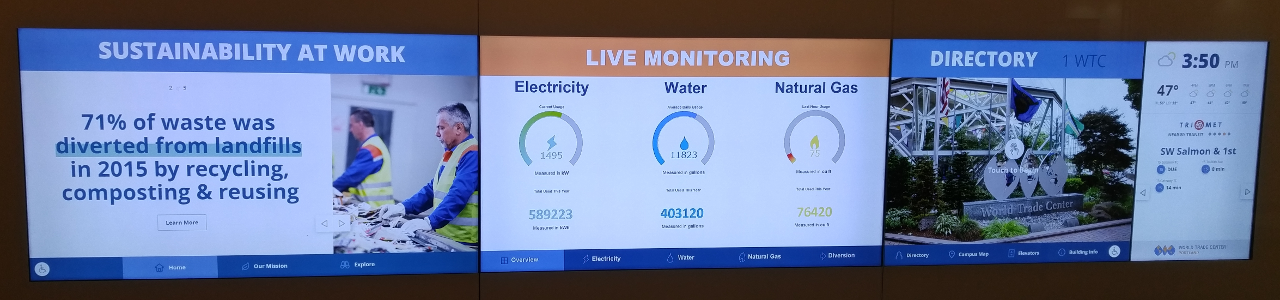
Portland WTC Kiosk
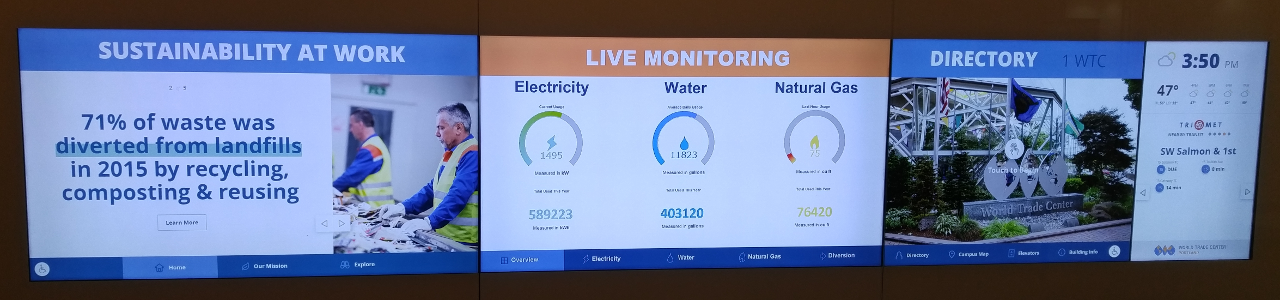
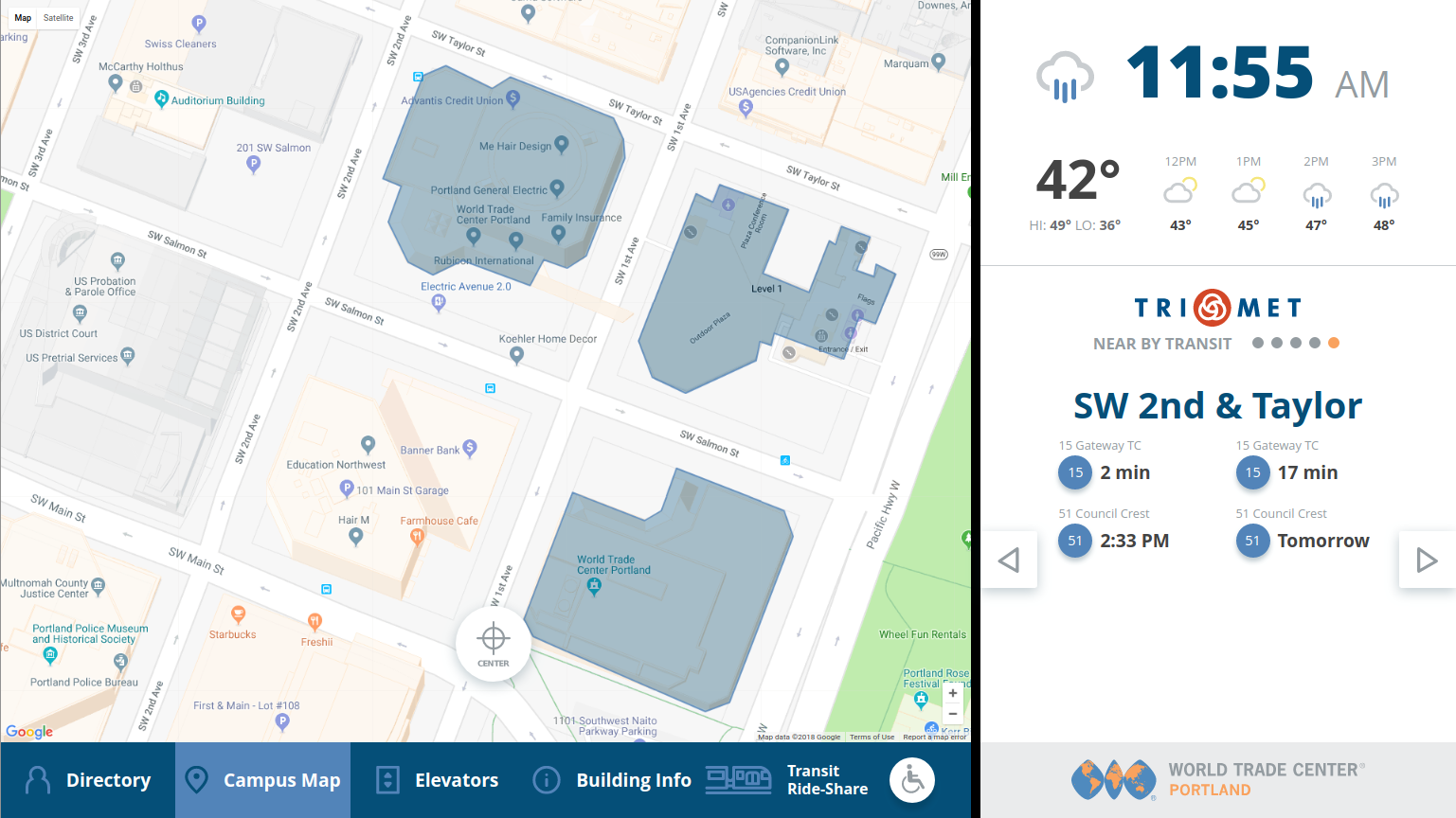
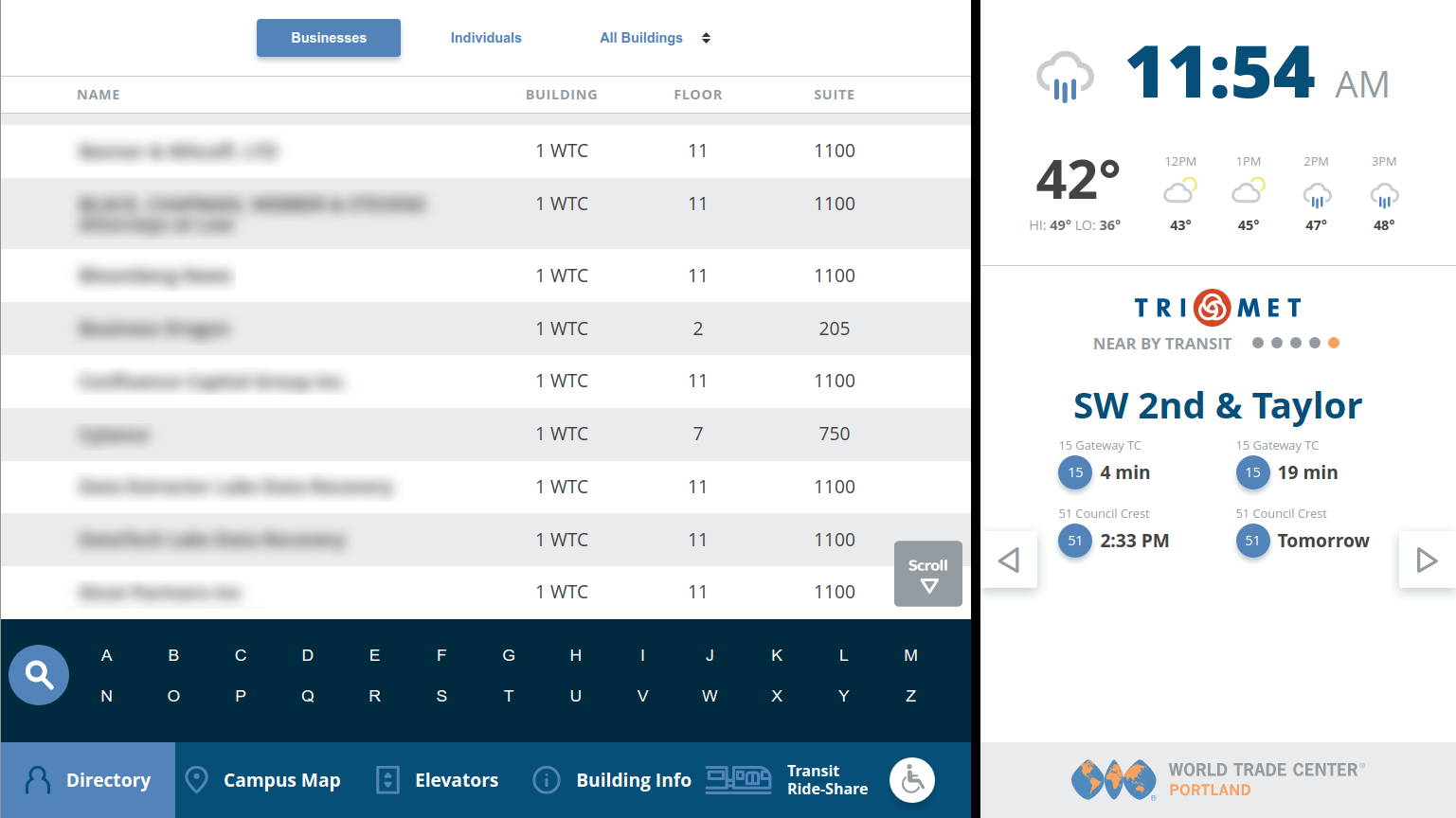
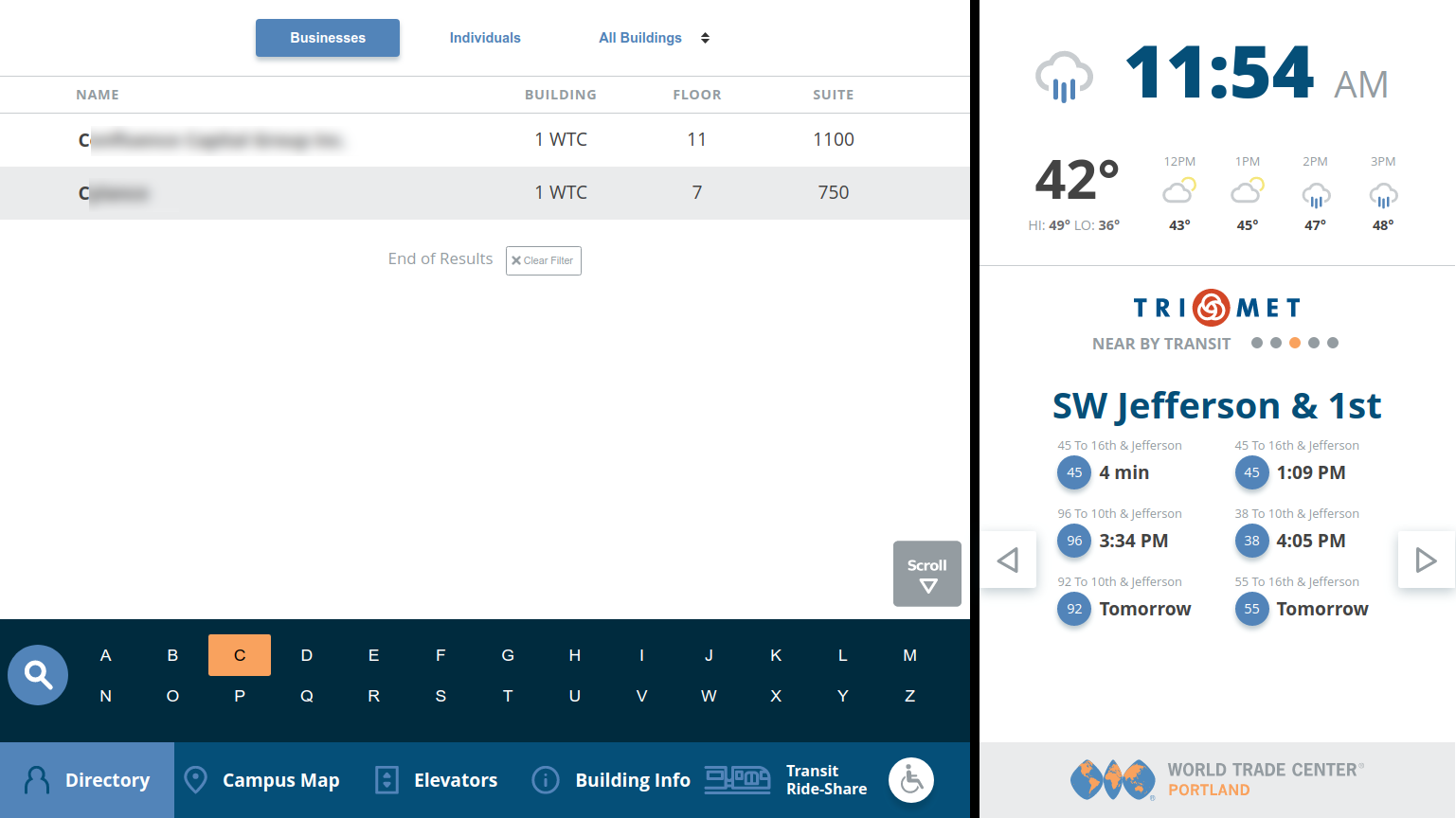
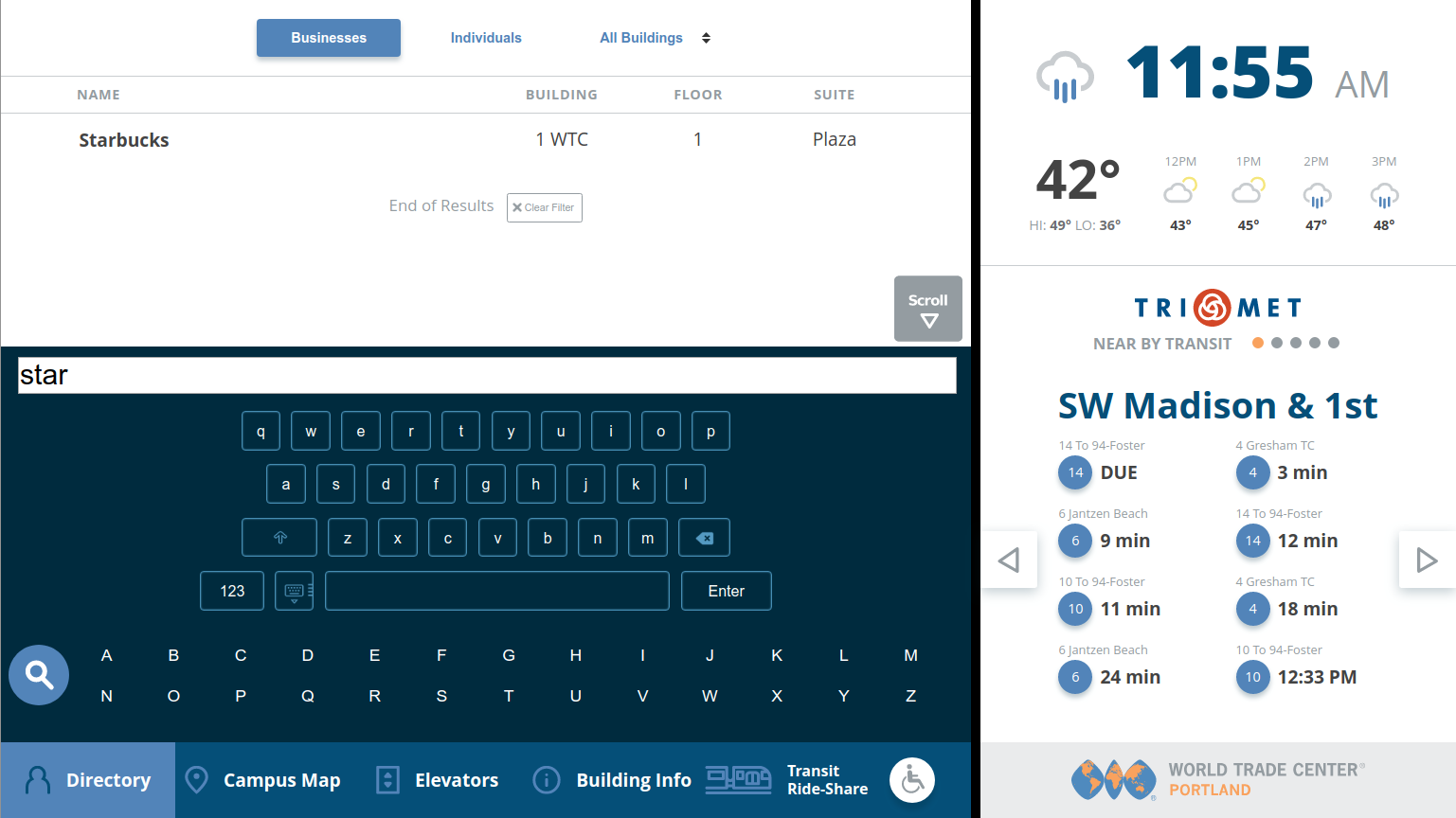
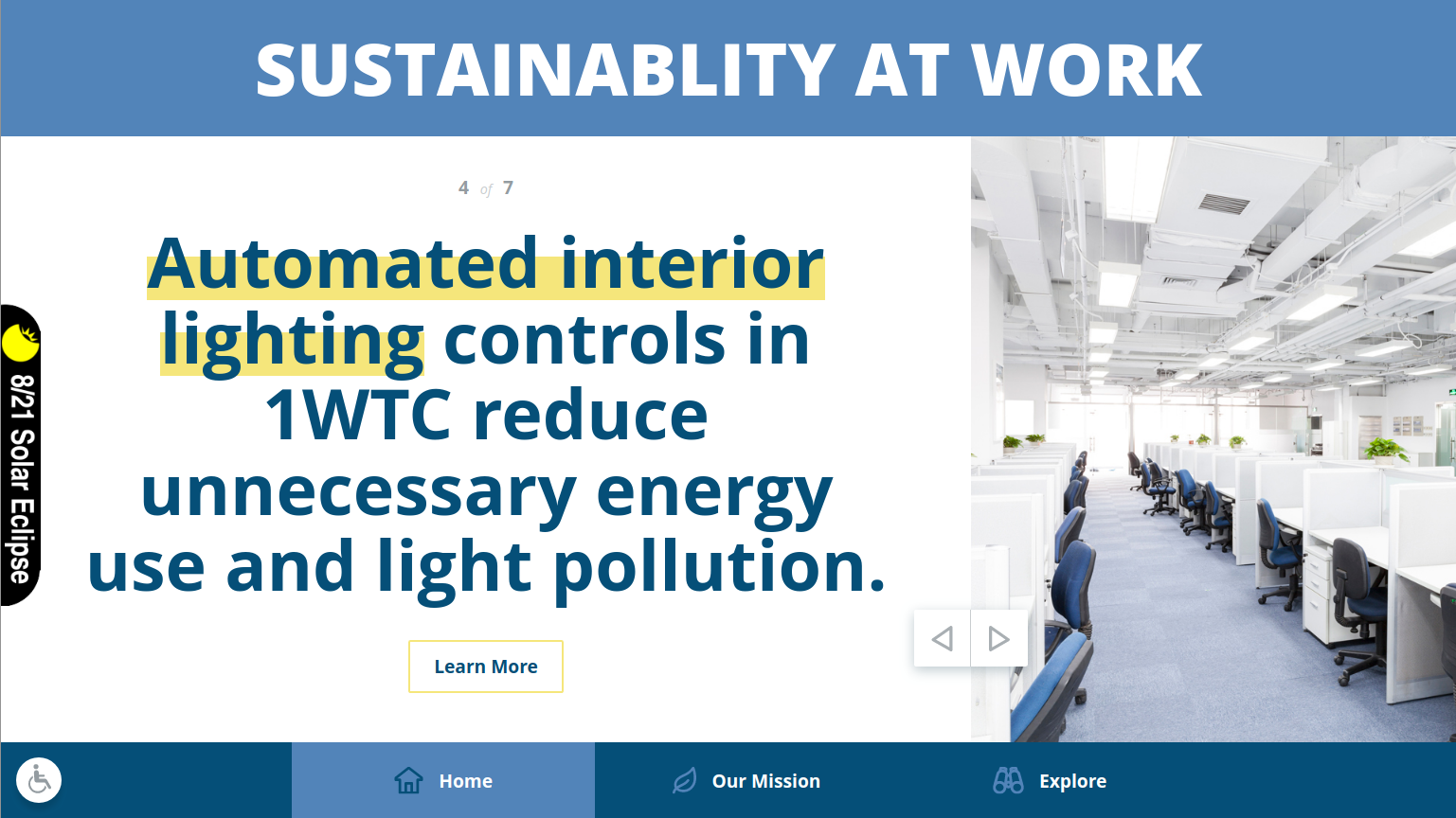
Interactive tenant directory with featured articles and real-time transit information, deployed across a multi-screen touch display array in Portland's World Trade Center. This project for SRM Marketing and Architecture demonstrates seamless integration of content management, third-party APIs, and custom hardware. Completed and deployed in late 2016, with ongoing feature additions through 2017.
Graphic design, mock-ups and front-end polish by the talented Adam Volkman, portfolio presentation.
"James (With Rational Boxes) brought both creative vision and technical expertise to the project. He assisted with the visual design of the display and wrote the underlying code in Drupal and other applications, ensuring the system was both functional and adaptable. He also coordinated with multiple external data providers to integrate real‑time information such as bus schedules, weather updates, and a live news ticker. In addition, he developed a dynamic tenant directory that is easy to navigate and consistently accurate.
The result of his work is an interactive display that has served the World Trade Center for many years. Its reliability and continued relevance are a direct reflection of James’s thoughtful planning, technical skill, and ongoing support. Throughout the project, he demonstrated professionalism, responsiveness, and a genuine commitment to delivering a high‑quality product."
- Paul Wallman CPM® | Senior Facilities Manager | World Trade Center Properties

Multi-Source API Integration
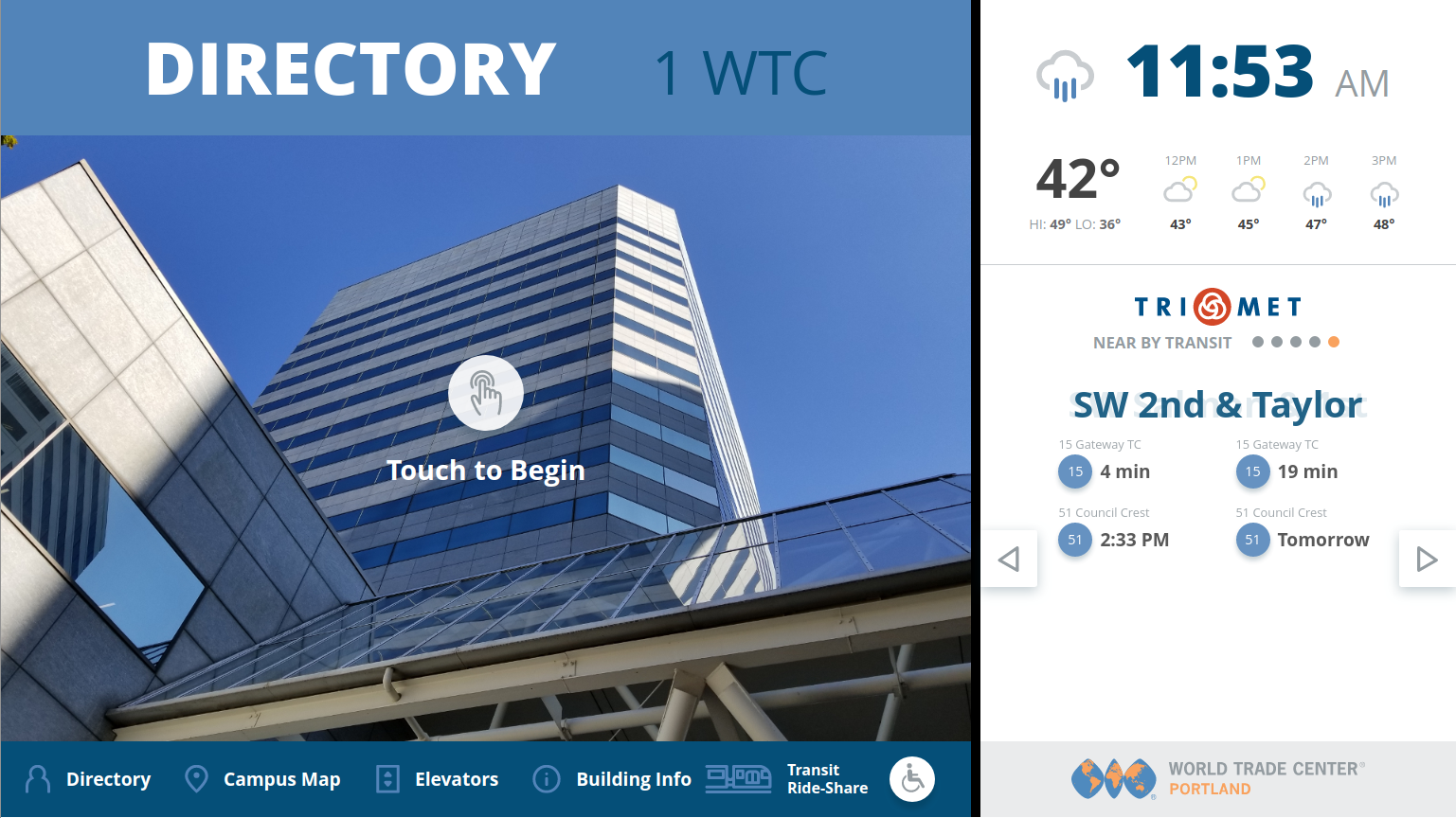
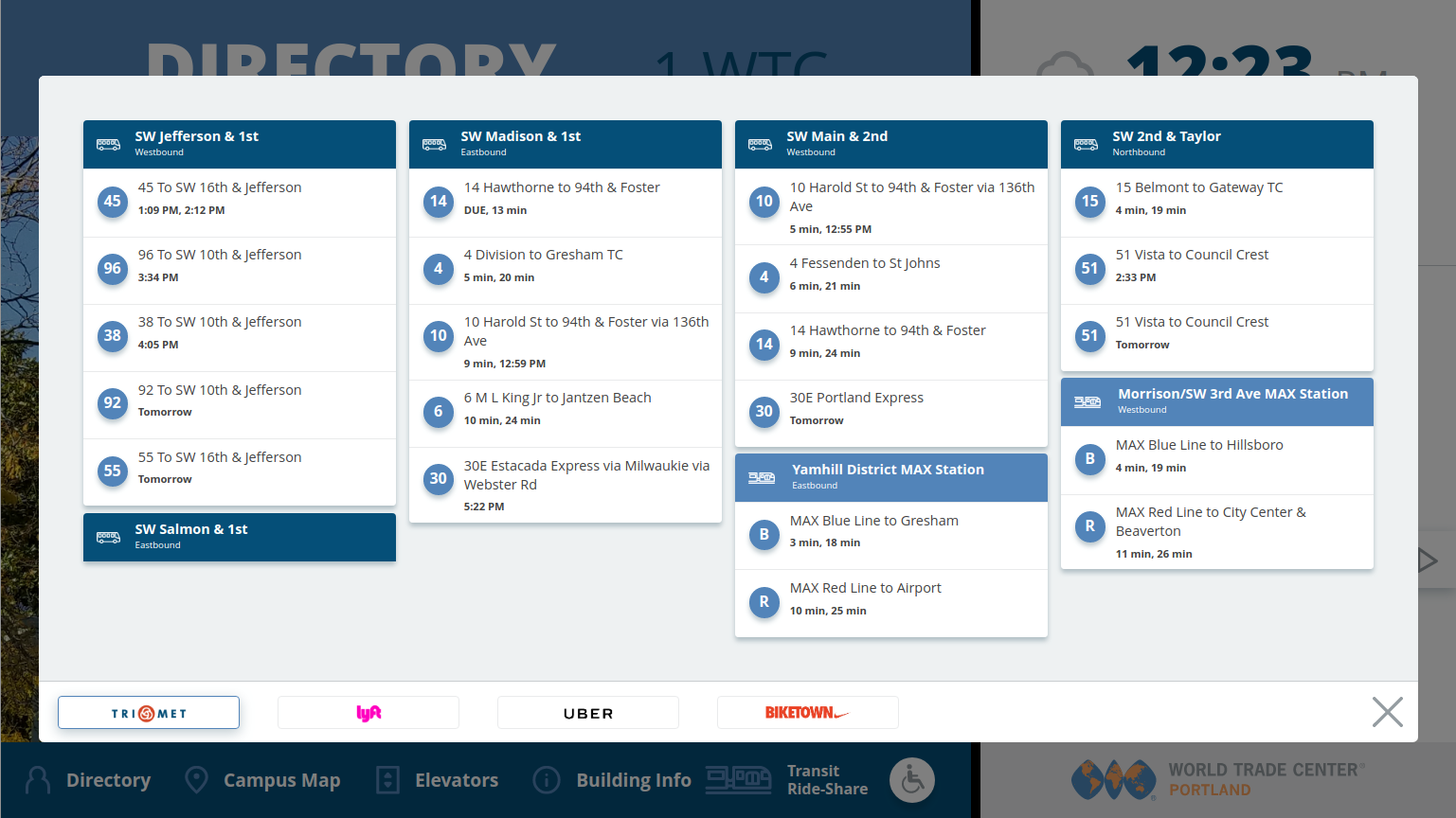
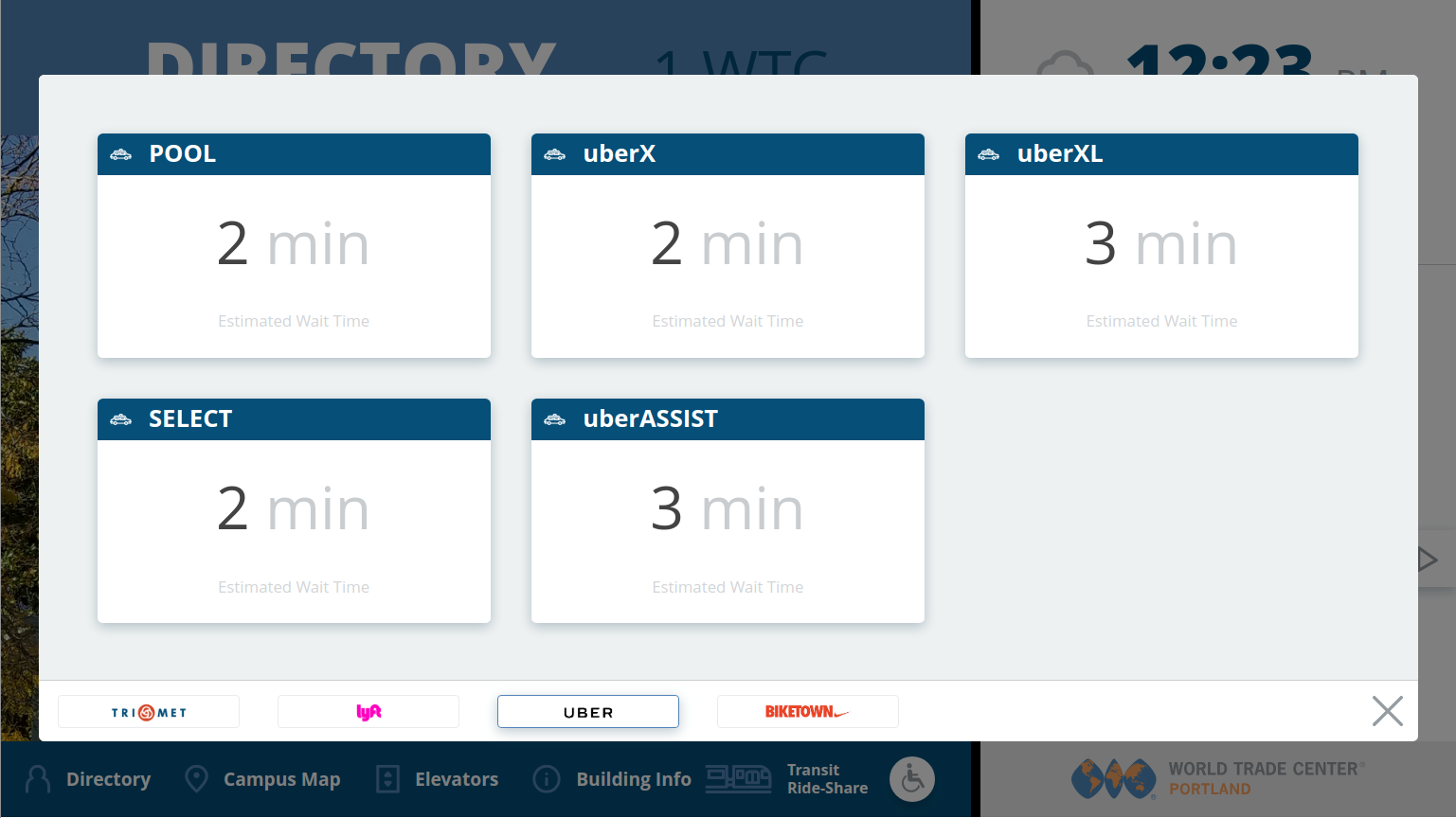
The transportation overlay aggregates real-time data from multiple third-party services into a unified display:
- Public transit: TriMet bus and MAX light rail schedules and arrivals
- Ride-sharing: Uber and Lyft availability and estimates
- Bike-share: Station status and bicycle availability
A backend caching layer collates data from remote APIs, ensuring responsive load times regardless of external service latency.
Headless CMS Architecture
Content is managed through a headless CMS exposing REST/JSON endpoints, decoupling content management from presentation. This architecture enables:
- Editorial independence: Non-technical staff manage tenant directories, articles, and announcements through a familiar web interface
- Frontend flexibility: Content consumed across different display contexts without backend changes
- Structured delivery: JSON-formatted content optimized for the kiosk display format
Event-Driven Component System
The frontend is built on a modular, event-driven architecture where independent display components communicate through a central message bus. This pattern allows features like the accessibility toggle to coordinate across all display sections without tight coupling—each component listens for relevant events and responds accordingly.
This approach made post-deployment feature additions straightforward, as new components integrate by subscribing to existing events rather than modifying core code.
Dynamic Content Overlays
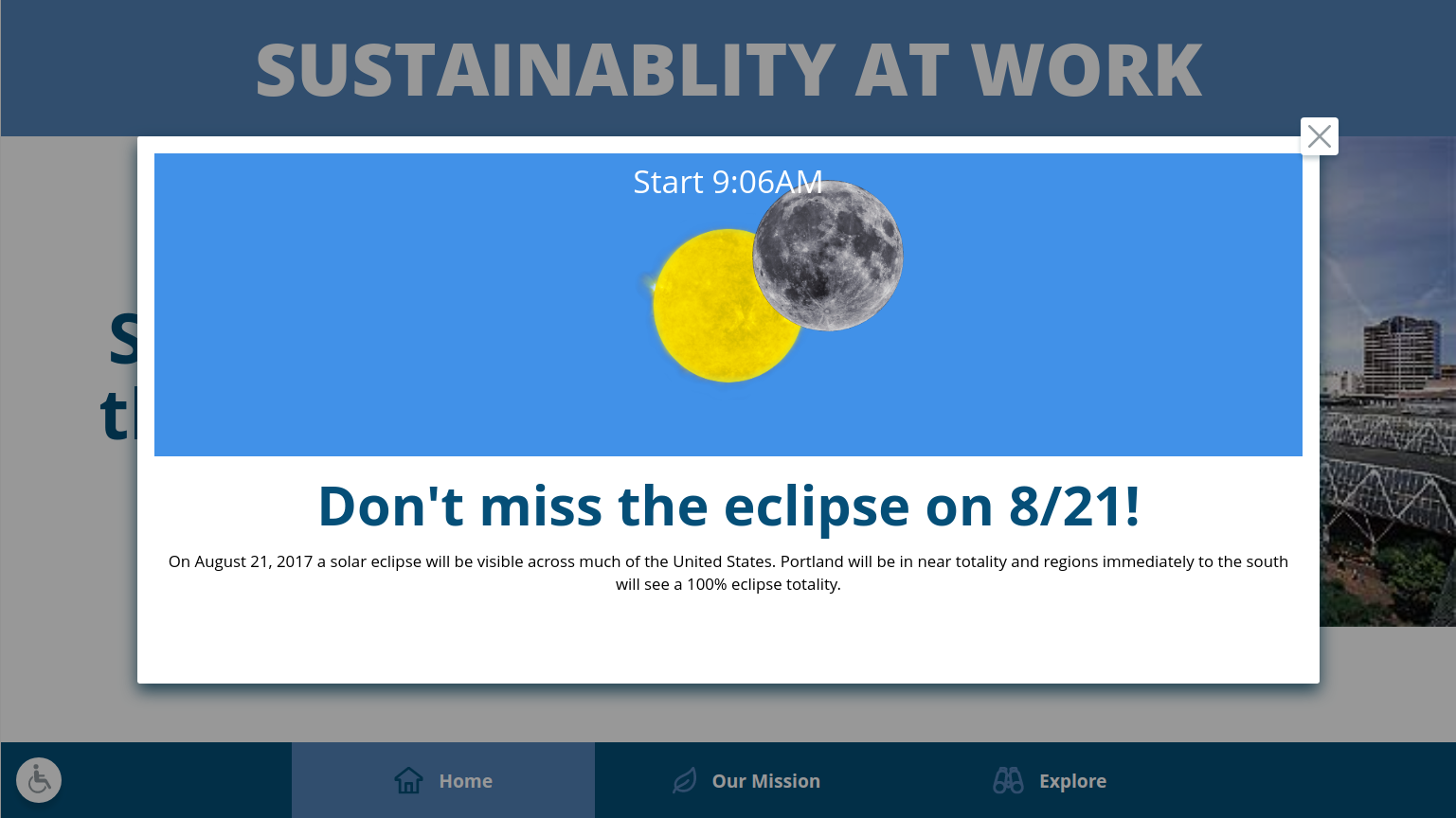
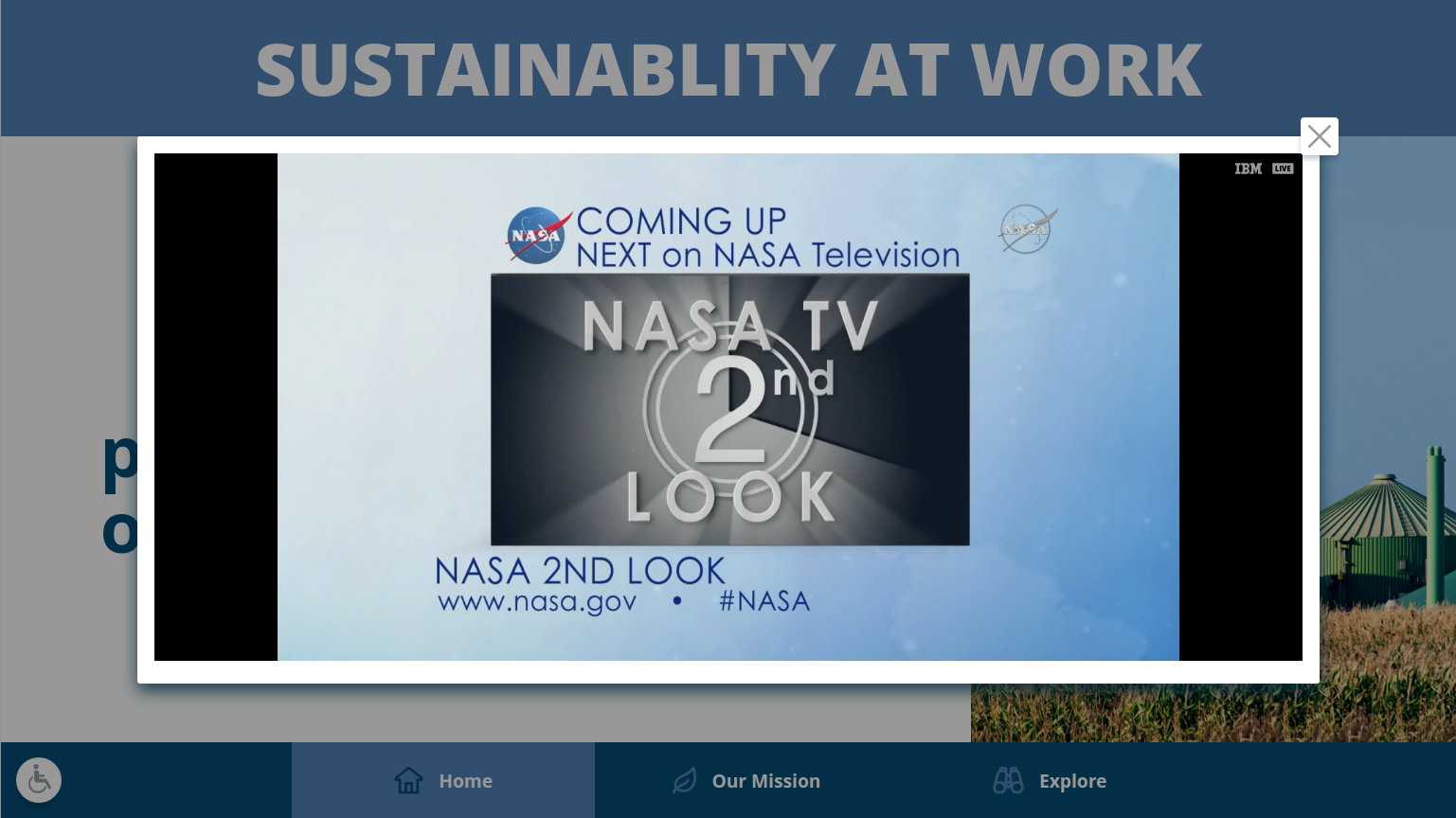
A configurable overlay system displays time-sensitive content based on scheduled date ranges. During the 2017 solar eclipse, the system featured a custom CSS-driven eclipse animation and embedded NASA TV streams.
The overlay integrates with the idle timeout system to show promotional content when the display isn't actively in use, maximizing visibility for special announcements and events.
Hardware Integration
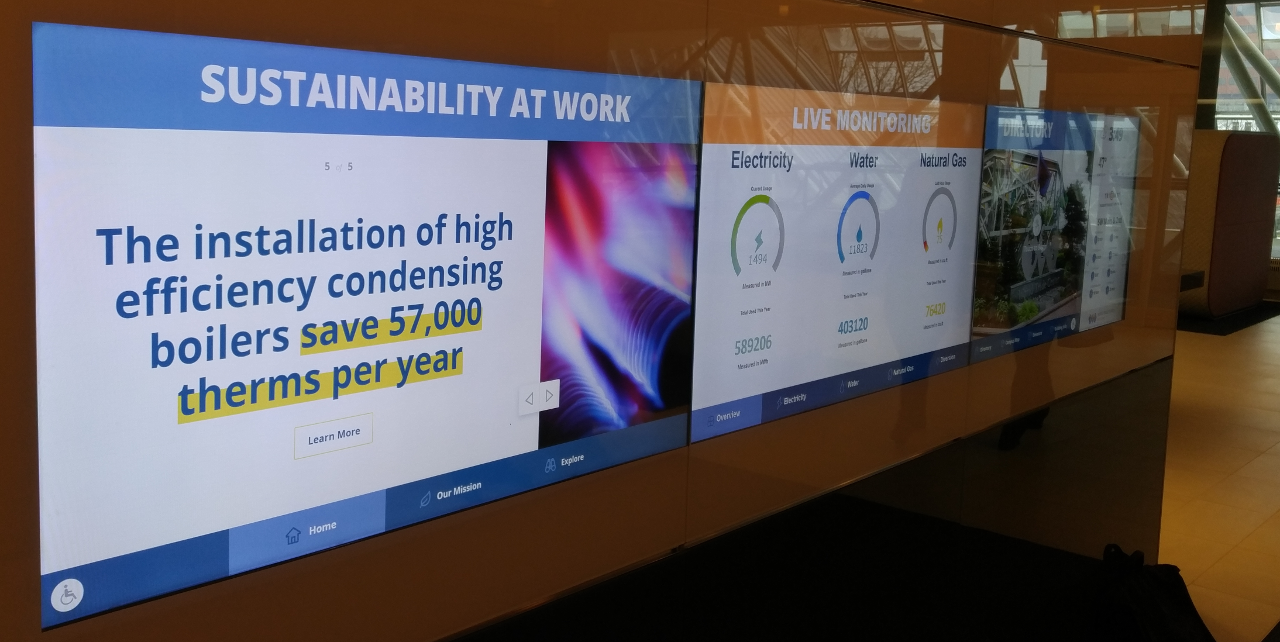
The primary installation sits behind plate glass in the WTC Portland lobby, using inductive touch sensor film (Touchfoil) applied to the back surface of the glass for public interaction. The screens sit approximately ¼ inch behind the glass surface.
Cost-Effective Retrofit Solution
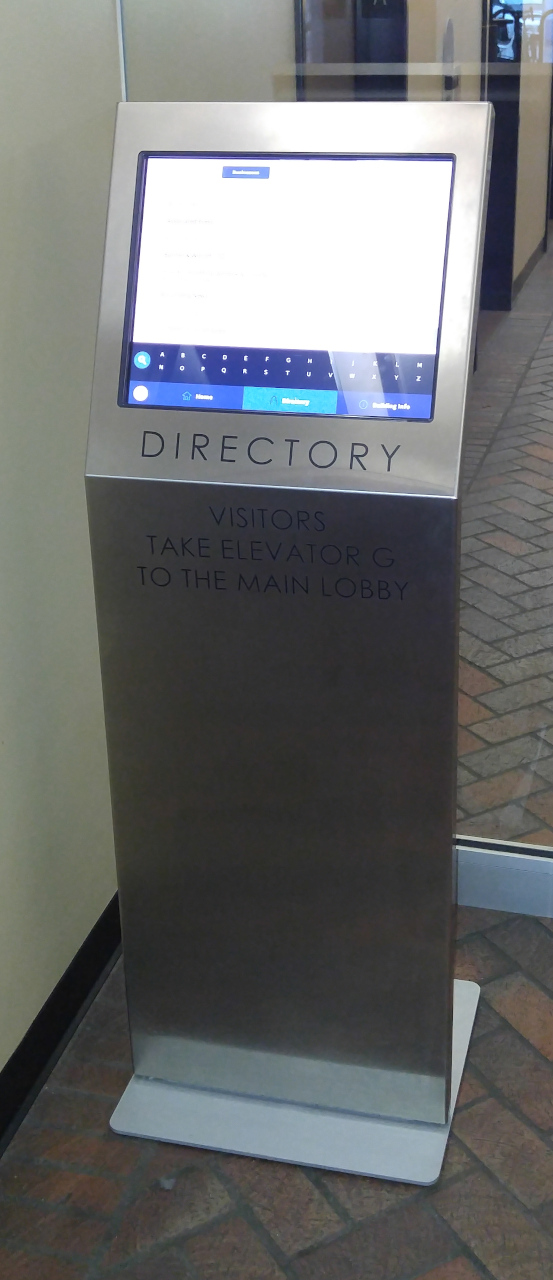
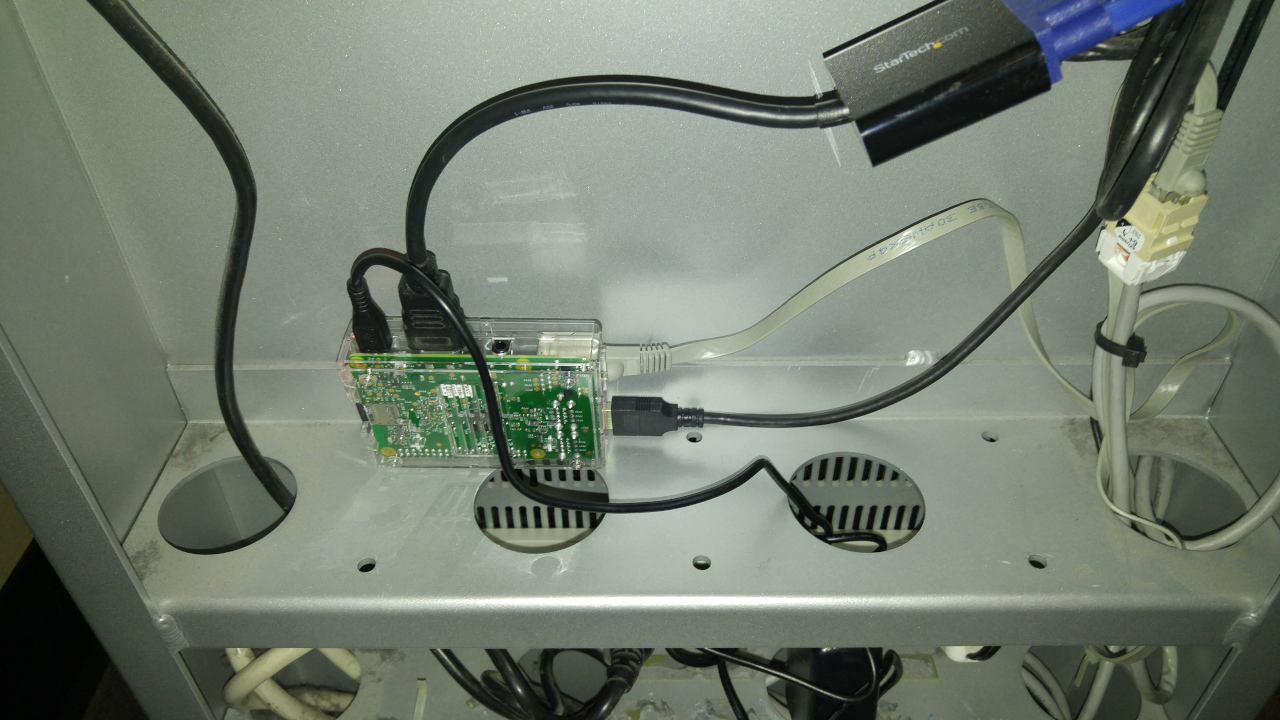
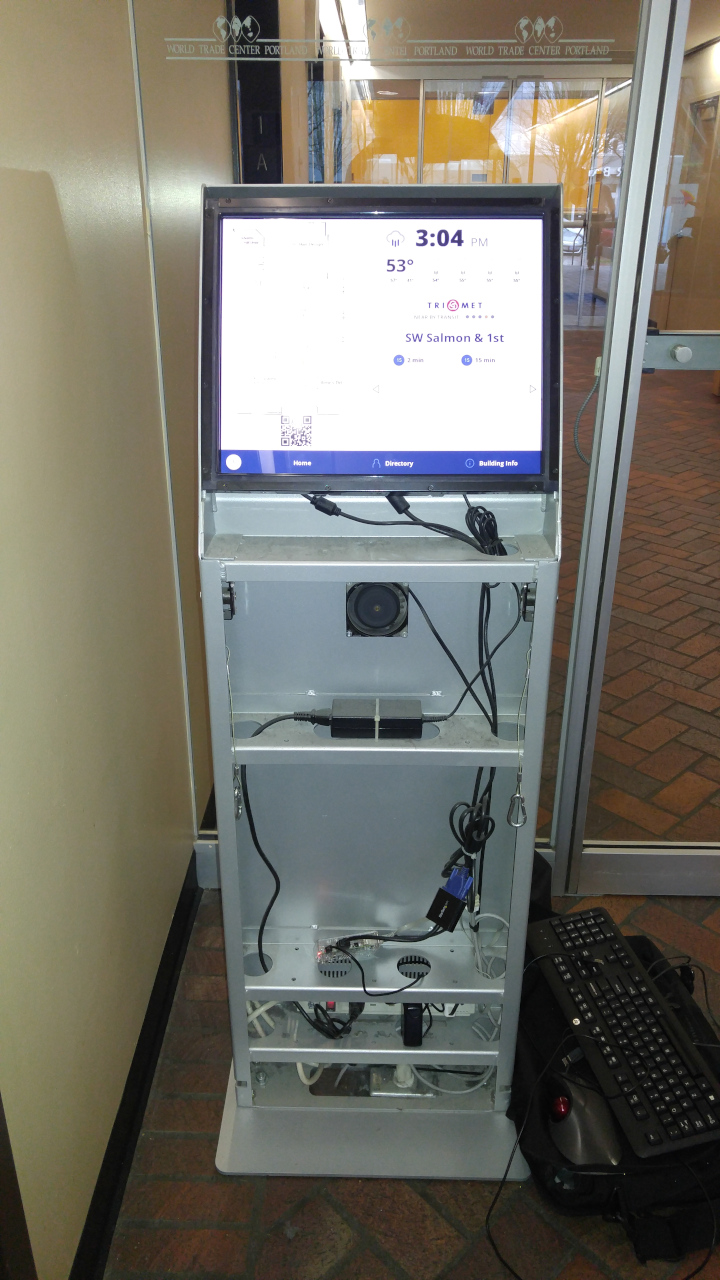
A secondary kiosk at the first floor and parking entrance required modernization from a legacy Windows-based system. Rather than replacing the entire unit, we swapped the legacy PC for a Raspberry Pi configured to run a full-screen browser—demonstrating that web-based solutions can run on minimal hardware when the architecture is right.
Key Capabilities Demonstrated
| Capability | Implementation |
|---|---|
| API Aggregation | Unified interface for multiple external data sources with intelligent caching |
| Headless Content Management | Clean separation between editorial workflow and display logic |
| Hardware Flexibility | Same codebase runs on high-end touch arrays and budget single-board computers |
| Extensible Architecture | Event-driven design enabled rapid feature additions post-deployment |
| Real-Time Data | Live transit, ride-share, and bike-share information with graceful fallbacks |
Project Evolution
The modular architecture proved its value as requirements evolved:
- Initial deployment (2016): Tenant directory, featured articles, TriMet sidebar
- Event overlays (Summer 2017): Configurable promotional displays with scheduling
- Transportation hub (Fall 2017): Comprehensive multi-modal transit information
- Hardware retrofit: Legacy kiosk modernization with minimal hardware investment
This project exemplifies how thoughtful architecture decisions create systems that adapt to changing requirements without extensive rework.